Growing up I only really swam for fun - either in friend's backyards, on vacation or at hotel pools. I'm a fine swimmer but definitely not well trained (or nearly as fit!). However, the past few years my son has really gotten into swimming - getting lessons, doing summer camps, gaining strength and competence and this year he entered the realm of competitive swimming.
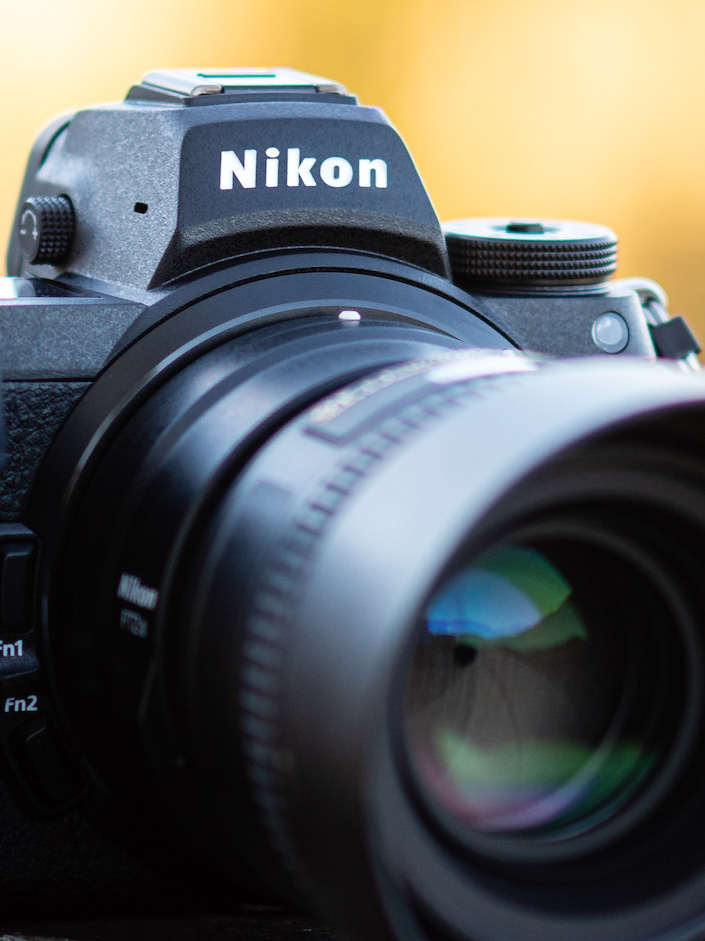
As a parent with a nice camera (Nikon Z6II and 70-200mm f/2.8 VRII), and some amount of talent, I've been asked to help out as a volunteer photographer at a number of swim meets. For those uninitiated, swim meets often range from 1-4 days and can have multiple, multi-hour sessions per day (morning and evening sessions, sometimes split by age or heats vs. finals). Most of the officials and staff for the events are parents and volunteers that make the event a reality (the unsung heroes for sure!) - thank goodness for the folks working the timing equipment and the canteen!
As often happens when your child takes an interest in something there's lots for you, as the adult/parent, to learn as well. With swimming there's all the different strokes and events, apps, equipment and of course, early mornings.
The Strokes
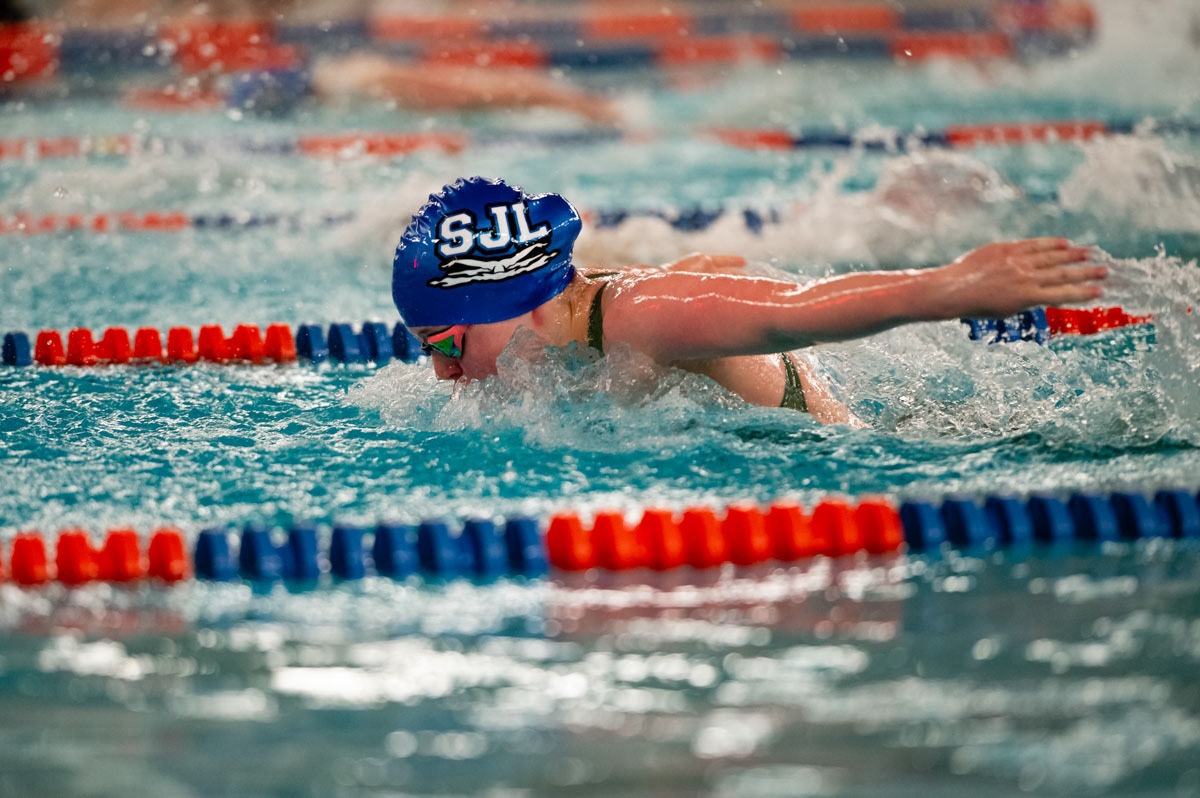
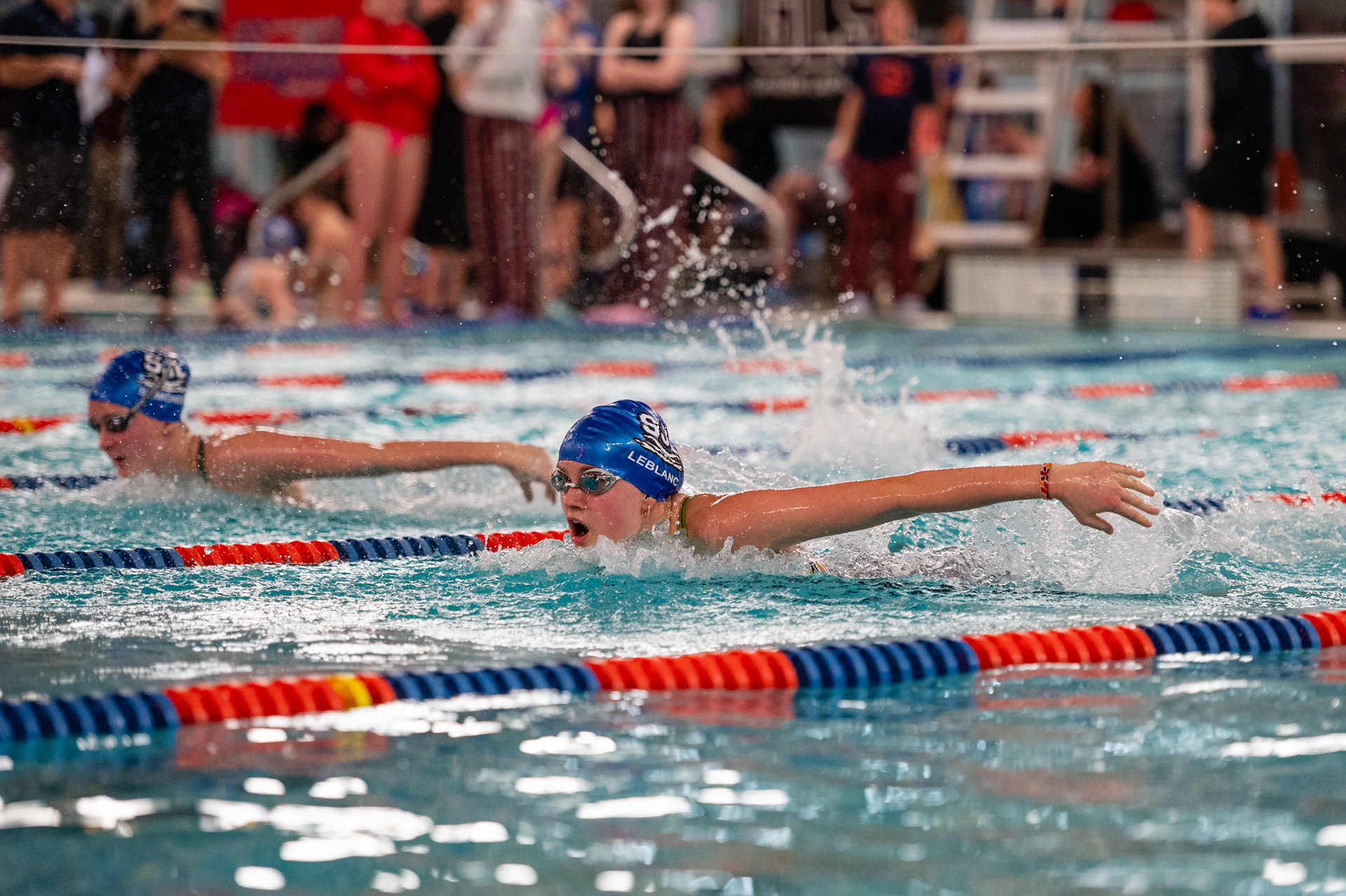
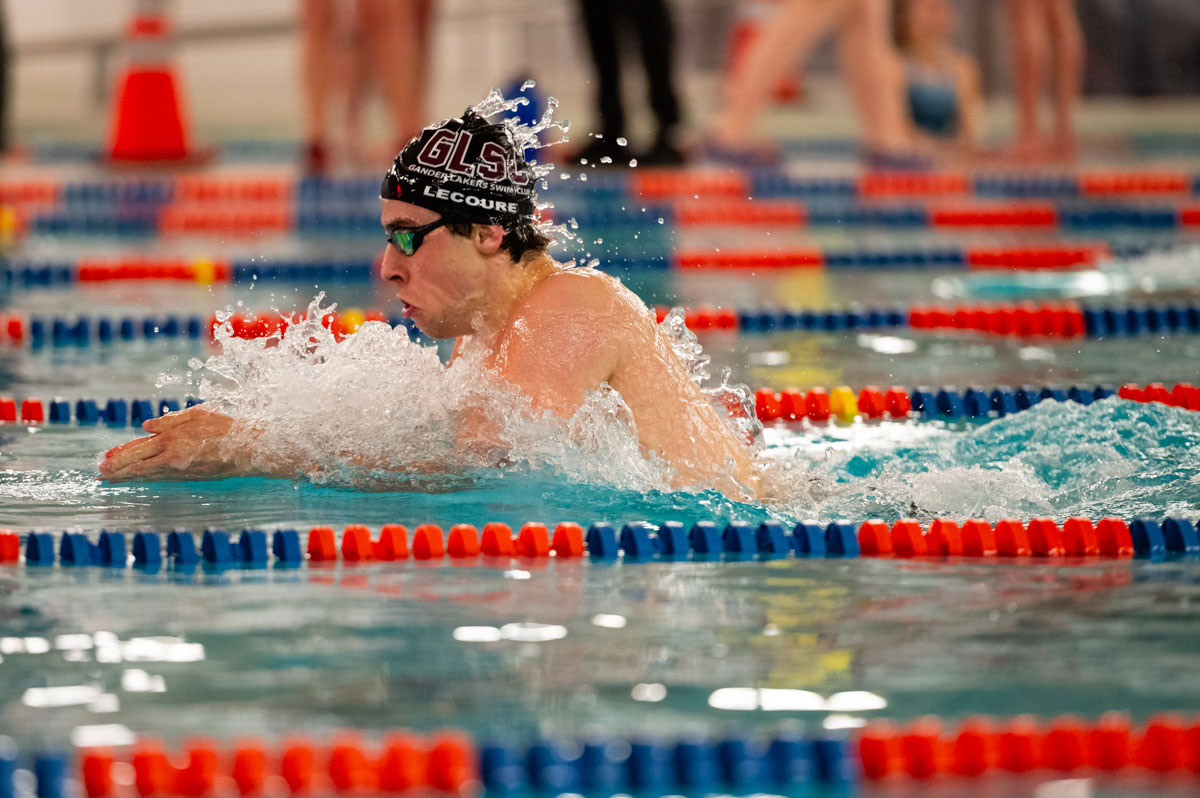
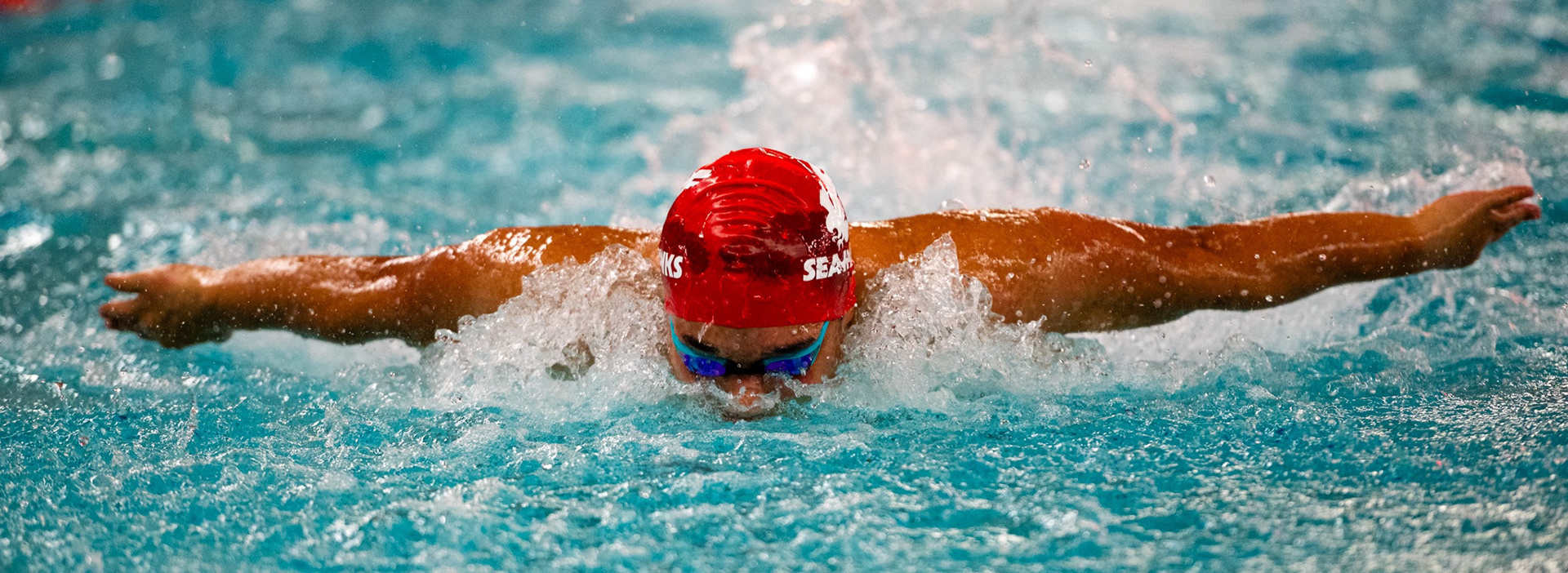
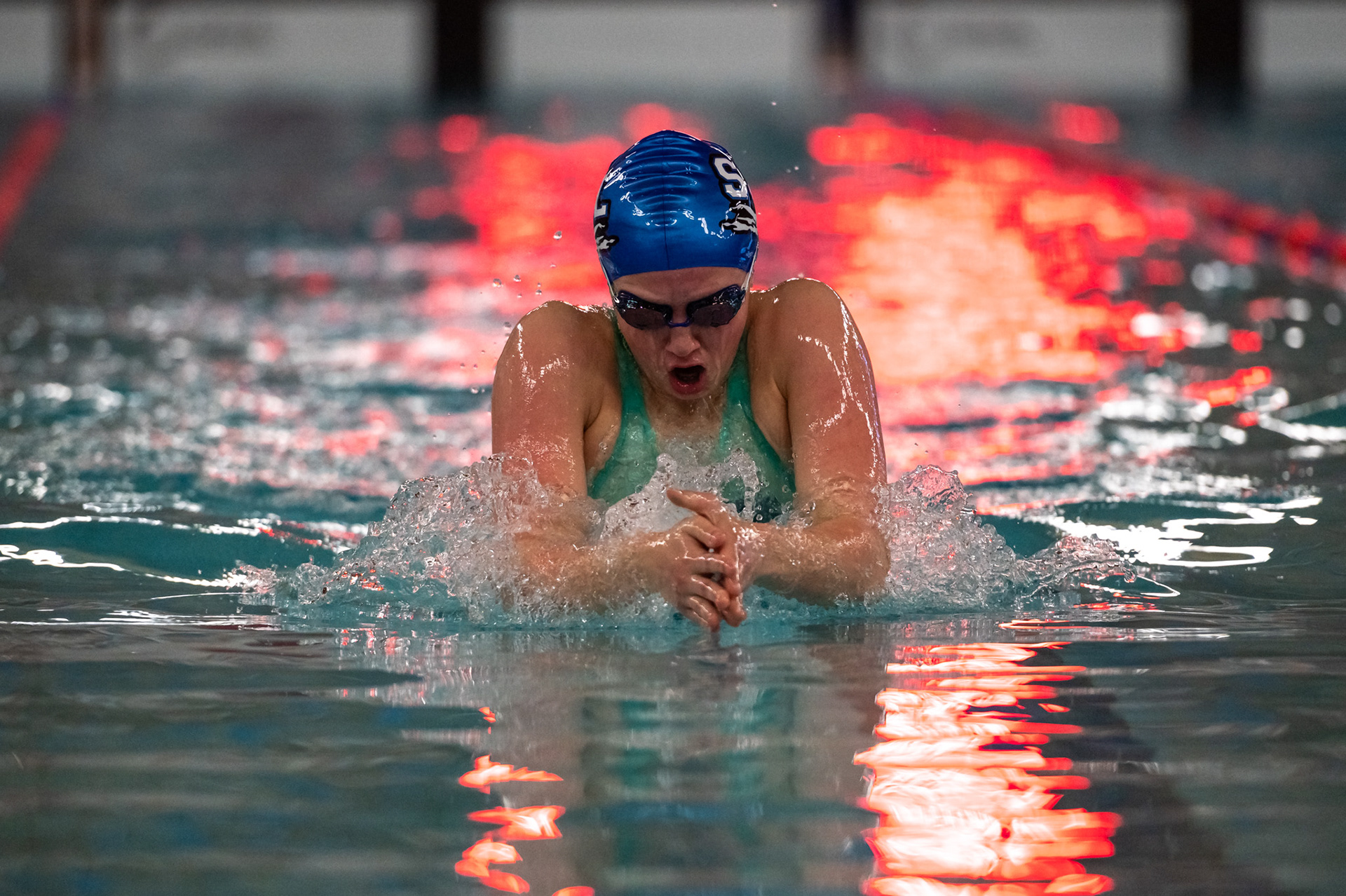
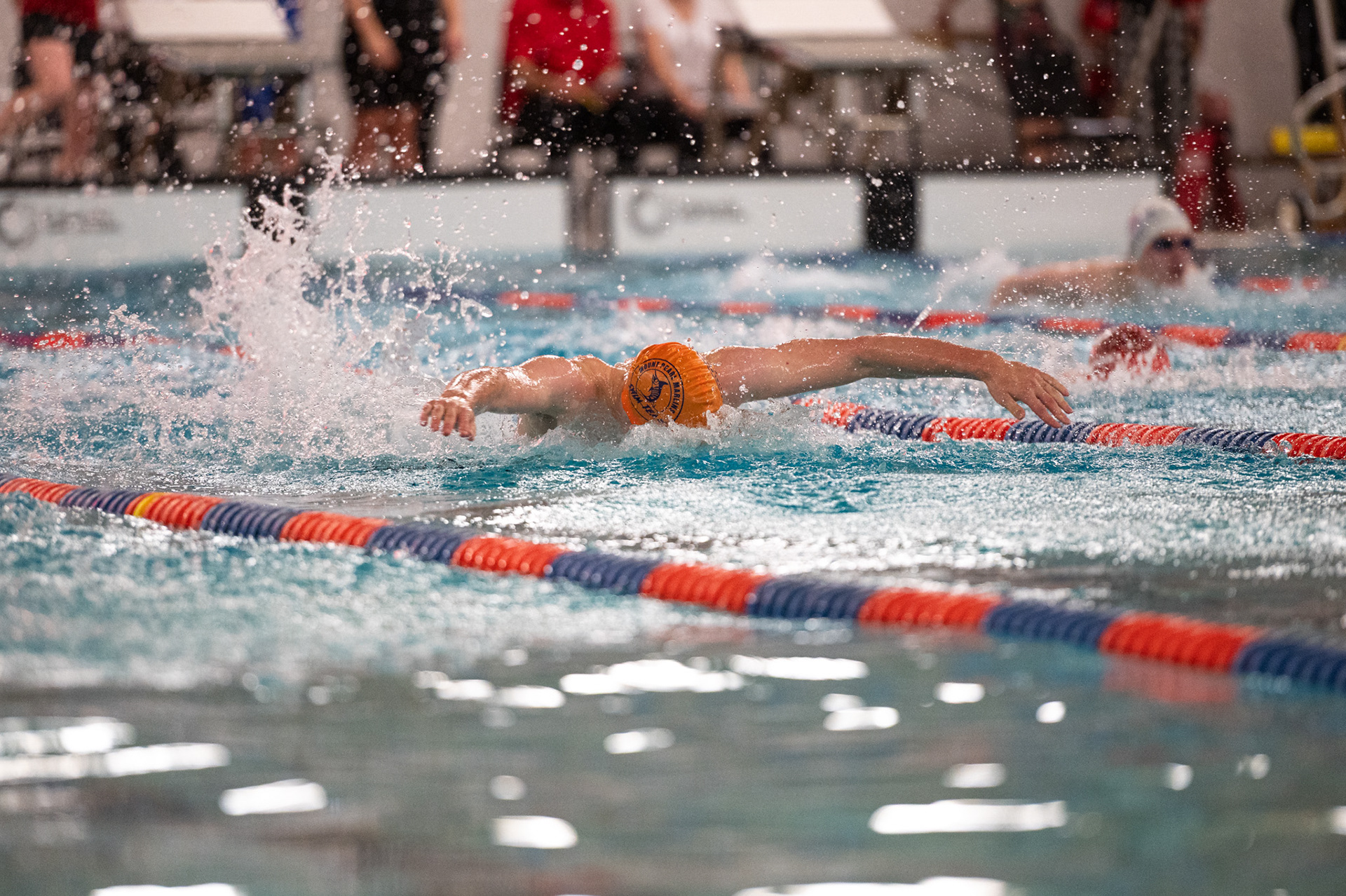
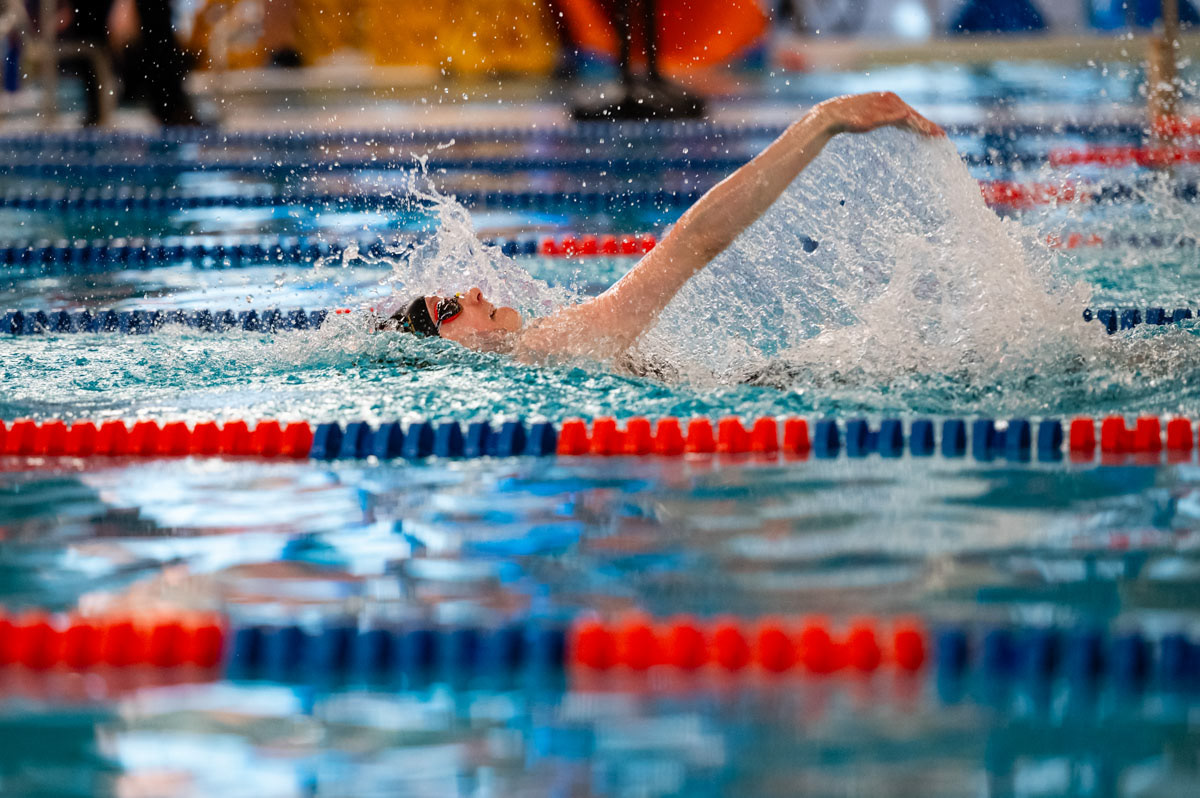
The big four competitive swim strokes are free(style), breast(stroke), (butter)fly and back(stroke). There's also a mix of all four with the IM (Individual Medley) and team relays (plus a few others). Each stroke has its challenges to capture. Some strokes benefit from a side-on view while others are better captured straight-on.
Shooting details and photography nerdiness...
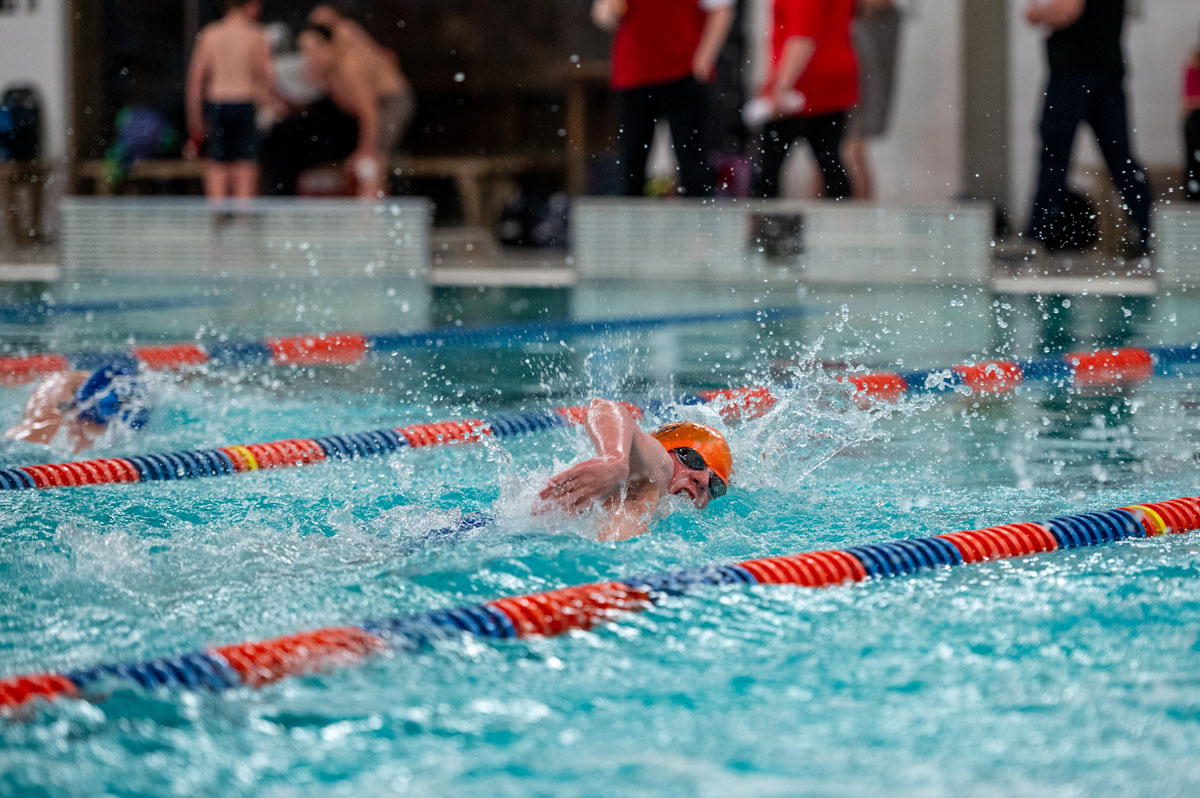
Shooting indoors in a pool setting (wet, hot, humid) with only artificial lighting can be a challenge on the photographer and your equipment (have a cloth on hand to dry random splashes and clean your lens!). To properly freeze motion, you need to use fast lenses and high iso (~3200) - preferably getting a shutter speed over 1/800s. Getting shutter speeds at or above that allows you to freeze motion and capture all the swimmer and all the amazing water droplets and dynamic splashes that happen during these fast swims. I tend to use a single focus point and leverage back-button focus to help track the subject - eye autofocus won't work and you're often losing most of the swimmer underwater (depending on the stroke). Freestyle, for example, can be a challenge in a small pool as some swimmers only breathe on one side, meaning you only get the back of their head for a full length of the pool. Other swimmers will alternate their breaths between both sides or are random - so anticipating the swimmer and shooting from different sides/locales around the pool based on strokes can make all the difference.
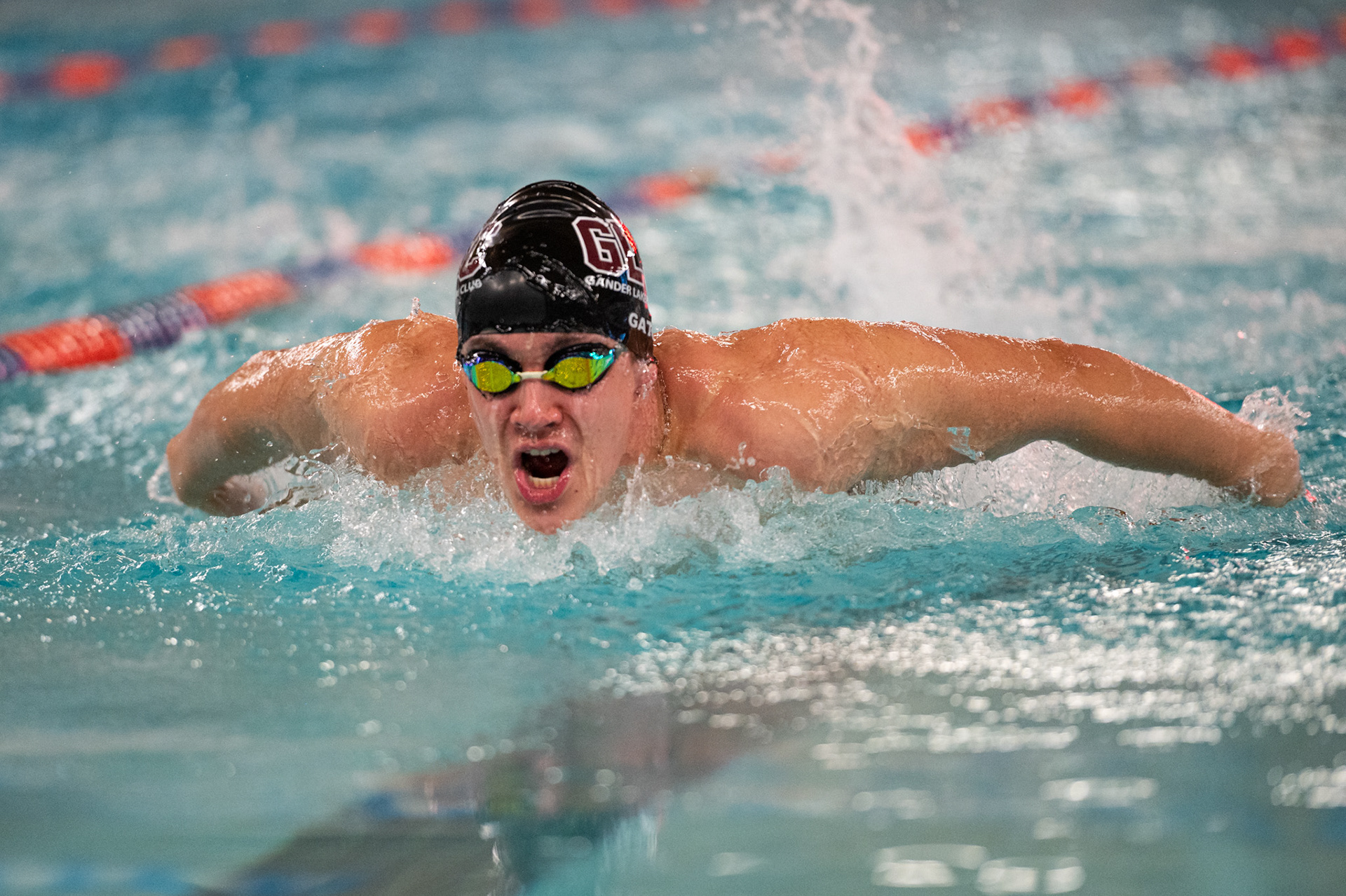
The shallow depth of field from a long f/2.8 lens is great but can lead to some missed focus at times. I do love what it does to the water in the background and how the high shutter speed freezes any splashes and the water over the swimmers' body
A unique aspect about the pool my son swims at is that on the wall behind the starting blocks is the timing board. It's very large and casts a bright red light on the pool making the water look like it's on fire or reflecting light from a sunset. In the middle lanes, and for certain swims this created a really cool effect (see shots below).
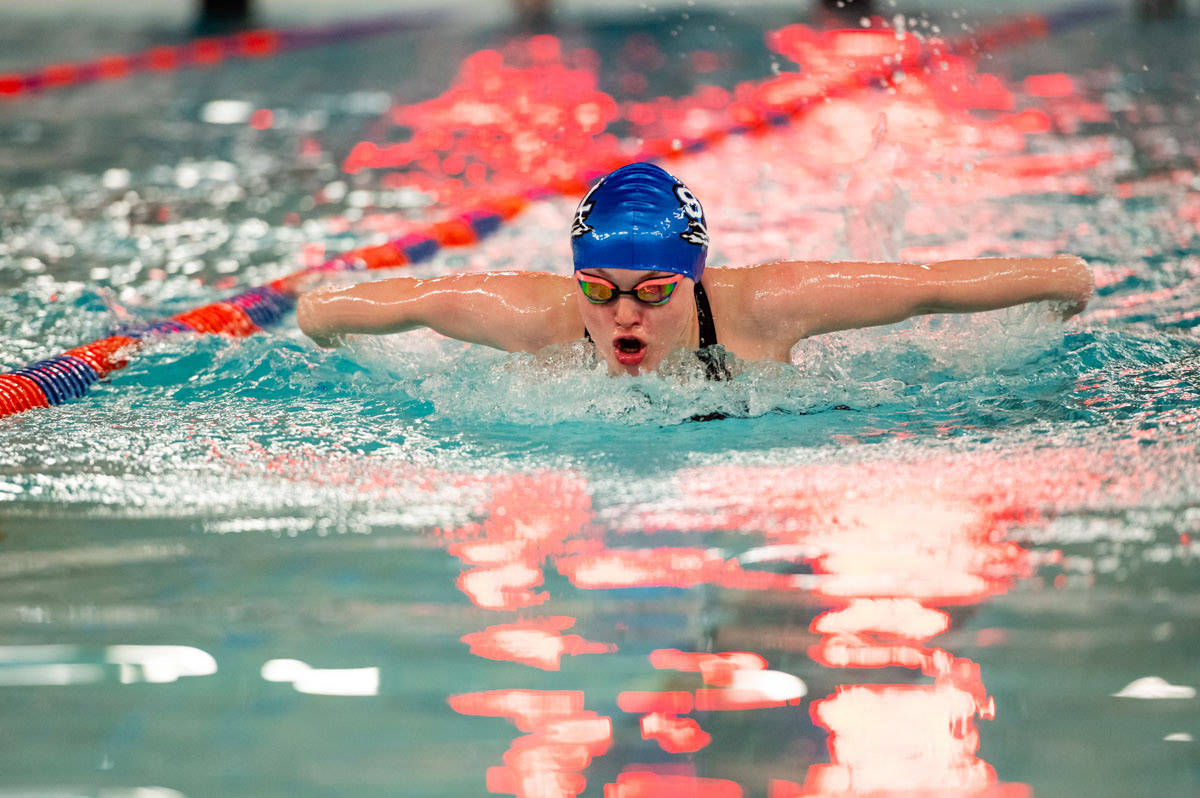
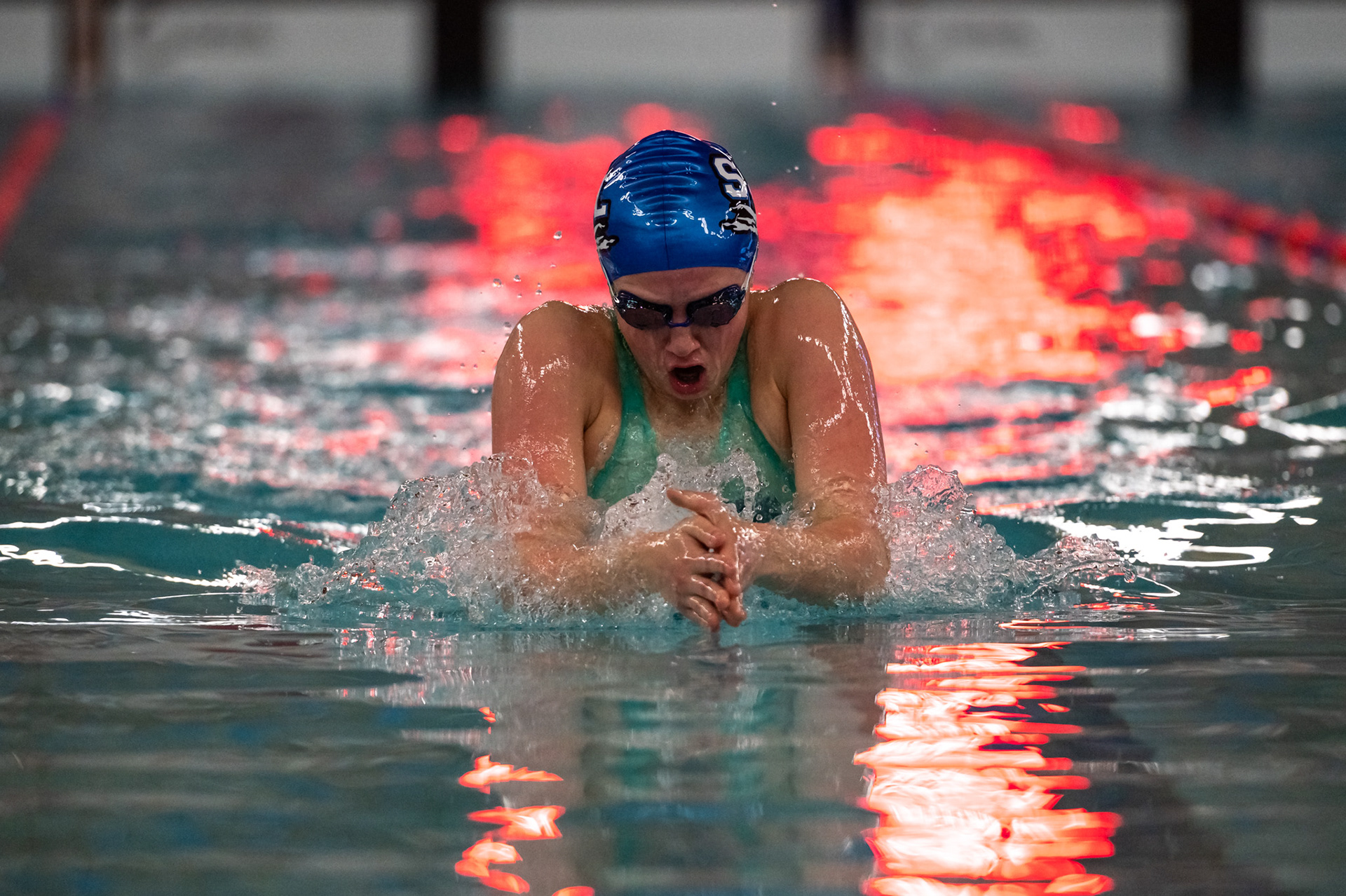
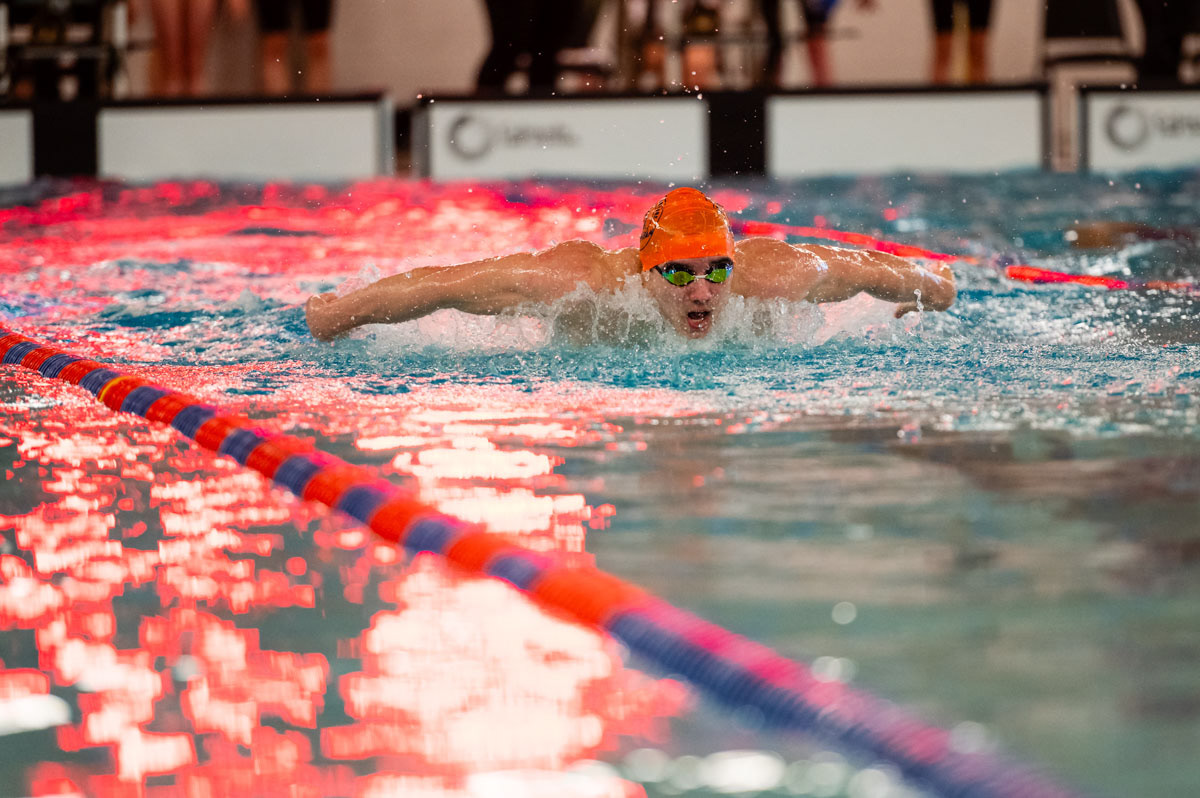
The other aspect of shooting a big swim meet is the volume of photos you have to go through. At each session, I generally end up shooting 800-1000 images. Shooting bursts for each swimmer helps ensure you get a good, sharp image but definitely fills up your memory card and wears out your battery (be sure to have an extra on hand). Backing up images and charging batteries between sessions is a must. Another challenge is colour temperature and white balance - dealing with artificial lighting, reflections and a huge body of water can make it difficult to accurately output an image that captures the moment.
Anyways, if you've made it this far I hope my photos and ramblings offer some insight, entertainment and/or useful tidbits for your own photography.